The Health Benefits of Horseback Riding: A Complete Physical and Mental Wellness Guide
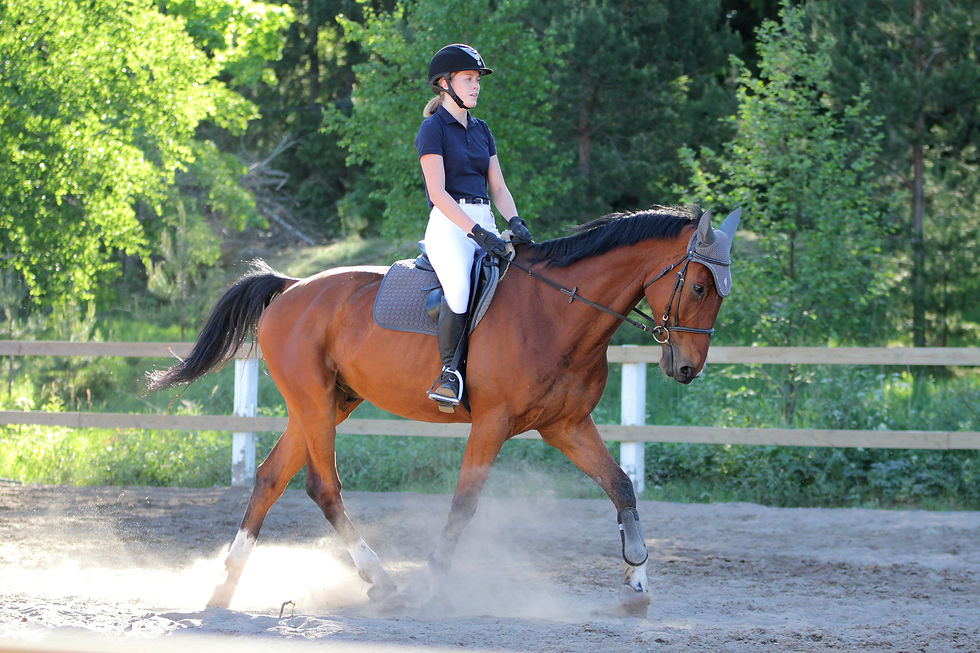
While owning a pony may be a classic childhood dream, horseback riding as an adult is a sophisticated, dynamic athletic pursuit. Far from a passive, leisurely pastime, equestrian sports offer a rigorous, full-body workout that challenges the body and sharpens the mind.
Whether you are a seasoned equestrian or a curious beginner, incorporating time in the saddle into your routine offers profound, scientifically validated advantages for your physical and mental well-being.
The Benefits of Horseback Riding
Whether you're a seasoned equestrian or a curious beginner, there are countless reasons to consider adding horseback riding to your wellness routine. A few quick main health benefits of horseback riding?
Full-Body Conditioning: Engages the core, pelvic floor, and thigh muscles while burning up to 600 calories per 45-minute session.
Cardiovascular Health: Regular trotting and cantering can lower the risk of cardiovascular disease by up to 35%.
Mental Well-Being: Promotes mindfulness, reduces cortisol (stress), and boosts self-esteem through mastery of the sport.
Therapeutic Value: Equine-assisted therapy (EAT) significantly aids motor skills and emotional regulation for individuals with physical or cognitive challenges.
Below, we get into more specifics of horseback riding benefits.
1. Physical Conditioning and Core Strength
Contrary to popular belief, the horse does not do all the work. Horseback riding is an intense isometric workout that engages multiple major muscle groups simultaneously.
Core Activation: Maintaining an upright, balanced posture in the saddle requires continuous abdominal and lower-back engagement. This deep core stabilization helps sculpt the torso and improves everyday posture.
Lower Body Toning: Your legs are your primary tool for stability and communication with the horse. Riding actively strengthens and tones the quadriceps, hamstrings, glutes, and inner thigh muscles (adductors).
Caloric Burn: Equestrian sports provide a legitimate metabolic challenge. A study conducted by the University of Brighton and Plumpton College revealed that just 45 minutes of trotting can burn up to 600 calories, comparable to a high-intensity gym session.
2. Cardiovascular Health and Disease Prevention
While riding may look smooth, navigating a moving animal requires sustained cardiovascular exertion. Transitioning into faster gaits like the trot and canter elevates your heart rate, strengthening the heart muscle and improving lung capacity over time.
The long-term health implications are significant. A study commissioned by the British Horse Society found that regular horseback riding and stable management can:
Reduce the risk of cardiovascular disease by up to 35%.
Lower the risk of type 2 diabetes by up to 40%.
3. Mental Health Benefits: Mindfulness and Stress Reduction
The psychological benefits of horseback riding match its physical demands. Spending time in a natural environment with a horse offers a powerful, therapeutic escape from daily stressors.
Mindfulness and Focus: Riding requires your absolute, undivided attention. Because you must remain highly attuned to a half-ton animal's movements, the sport forces you into the present moment, acting as a form of active meditation.
Mood Enhancement: The physical exertion triggers a natural release of endorphins. Combined with the calming presence of nature and animal companionship, regular riding actively lowers cortisol levels and mitigates symptoms of anxiety and depression.
Confidence and Self-Esteem: Learning to direct and bond with a powerful animal builds deep self-reliance. As your riding skills progress, this sense of mastery translates directly into higher self-esteem outside the arena.
4. Equine-Assisted Therapy (EAT)
Horses possess an innate ability to mirror human emotion, making them exceptional partners in clinical therapy. Equine-Assisted Therapy (EAT) has emerged as a highly effective treatment modality for individuals facing physical, cognitive, or emotional challenges.
Motor Skill Development: The three-dimensional, rhythmic movement of a walking horse mimics the natural gait of a human walk. For individuals with conditions like cerebral palsy or autism, this movement helps improve balance, spatial awareness, and motor coordination.
Emotional Regulation: The non-judgmental bond between a horse and a rider fosters trust, empathy, and emotional breakthrough, making it highly beneficial for individuals managing Post-Traumatic Stress Disorder (PTSD).
Social Connection: Group lessons, stable management classes, and equestrian communities offer structured opportunities for positive social interaction, reducing feelings of isolation.
How to Safely Start Your Equestrian Journey
If you are ready to experience the wellness benefits of horseback riding firsthand, follow these foundational guidelines:
Select a Reputable Riding School: Prioritize facilities certified by recognized equestrian organizations. Ensure they have qualified instructors and well-cared-for horses.
Begin Incrementally: Start with basic, one-on-one lunging or walking lessons to build your foundational seat and balance before advancing to faster gaits.
Invest in the Right Apparel: Safe riding requires structured, hard-soled boots with a distinct heel (to prevent your foot from slipping through the stirrup) and comfortable, flexible pants.
Prioritize Safety: Always wear an ASTM/SEI-certified riding helmet, and strictly follow your instructor’s safety protocols around the barn and in the arena.
Horseback riding offers a rare combination of athletic challenge, mental rejuvenation, and a profound connection to nature. By incorporating equestrian sports into your lifestyle, you unlock a highly rewarding pathway to lifelong health and wellness.
Editor's Note: This post has been updated for accuracy and current best practices.