What are the Benefits of Working Out Sore?

We’ve all been there: the "leg day waddle." You go to sit down on the couch and realize your quads have entered a formal protest. The temptation is to stay perfectly still until the soreness fades, but science suggests that active recovery might be exactly what your body needs.
The key to working out while sore is distinguishing between the "good" kind of muscle fatigue and the "bad" kind of injury. This guide breaks down the physiological benefits of movement and how to tell when your body is truly asking for a rest day.
What is Soreness?
Let's cut to the chase...is it okay to work out sore? The Quick Answer: Yes, it is generally safe and beneficial to work out with mild-to-moderate muscle soreness. Known as DOMS (Delayed Onset Muscle Soreness), this discomfort is caused by microscopic tears in muscle fibers during exercise. Light-to-moderate activity (Active Recovery) increases blood flow to the affected areas, delivering essential nutrients that accelerate the repair process and reduce stiffness.
The Benefits of Working Out Sore
While soreness may be uncomfortable, it doesn't necessarily mean you should avoid exercise. In fact, working out while slightly sore can offer several advantages.
Increased Circulation and Nutrient Delivery
Resting completely can actually cause muscles to tighten further. Movement increases your heart rate, which pumps oxygenated, nutrient-rich blood to your sore muscles. This process helps flush out metabolic waste and provides the "building blocks" (amino acids) needed for muscle protein synthesis and repair.
Breaking the "Stiffness Cycle"
When you’re sore, your range of motion naturally decreases. Light exercise, like a long walk, a slow swim, or dynamic stretching, keeps the fascia (the connective tissue surrounding your muscles) hydrated and supple. This prevents the "stiffening" that makes the second day after a workout feel worse than the first.
Psychological Resilience and Habit Building
Fitness is as much about the mind as it is the body. Showing up for a light session even when you aren't at 100% reinforces the habit of consistency. It teaches you how to scale your intensity rather than adopting an "all or nothing" mentality.
How to Work Out Sore
If you're experiencing mild to moderate soreness, here are some tips for working out safely and effectively.
1. Listen to Your Body
Pay attention to your body's signals. If the pain is severe or debilitating, it's best to rest and allow your muscles to recover. Additionally, focus on different muscle groups, so if your legs are trashed, make it an "Upper Body" day. This allows the sore muscles to recover while you stay active.
2. Warm-Up Thoroughly
A longer and more gentle warm-up can help prepare your muscles for activity and reduce the risk of injury. Try the 10-Minute warm-up and spend extra time on a dynamic warm-up. If the soreness doesn't start to "fuzz out" after 10 minutes of light movement, it’s a sign to head home.
If you're wondering whether stretching prevents DOMS? Research shows that static stretching before or after a workout has little effect on the prevention of DOMS. However, a dynamic warm-up can reduce the risk of acute injury.
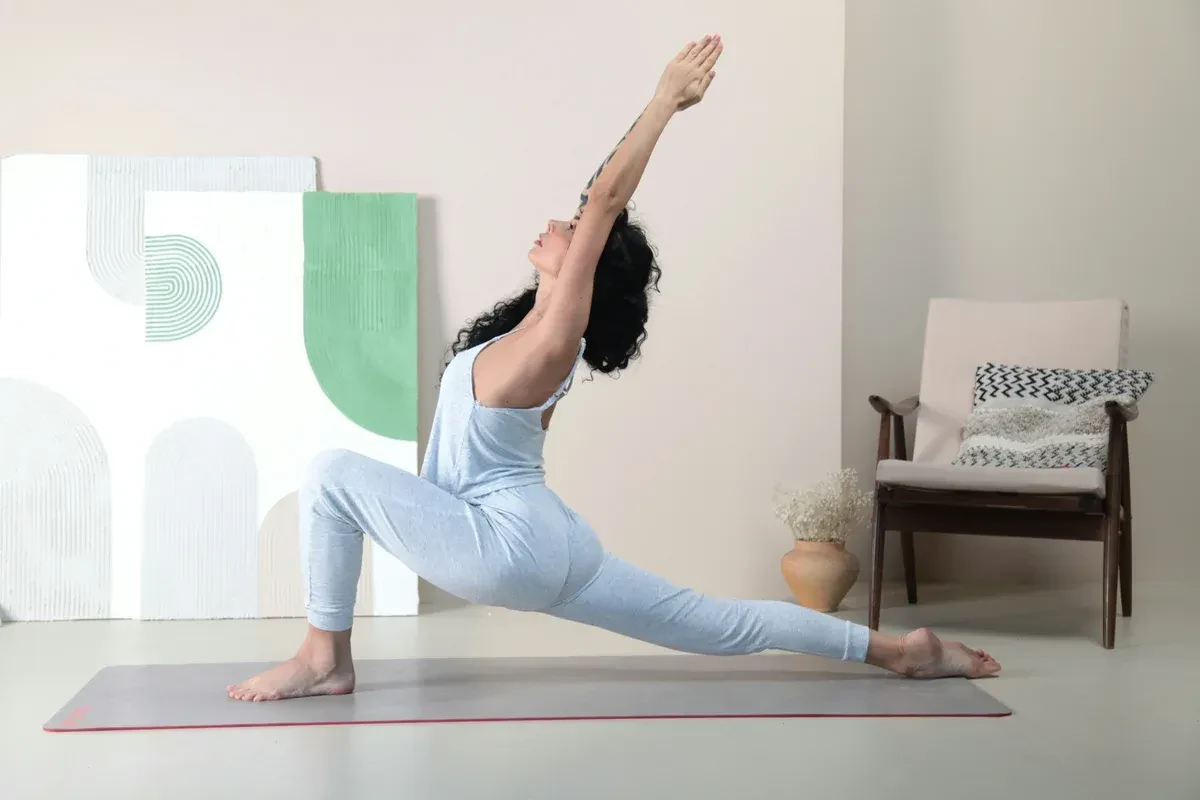
3. Choose Low-Impact Activities
Opt for low-impact exercises like swimming, cycling, or yoga, which can be easier on your sore muscles. If this poses a challenge, then consider how foam rolling can help release muscle tension and improve flexibility.
4. Modify Your Workout
Reduce the intensity and duration of your workout, or focus on specific muscle groups that aren't as sore. For example, if you worked your lower body on a Monday, then opt for an upper body workout next. This modification can help ease your soreness.
Or drop the weight by 30-50% and focus on high-quality movement and blood flow rather than hitting a new Personal Record (PR).
5. Incorporate Active Recovery
Active recovery is a great option for someone who is a fitness enthusiast who just can’t seem to rest. Engage in light physical activity, such as walking or gentle stretching, to promote blood flow and reduce muscle tension.
6. Stay Hydrated
Drinking plenty of water can help flush out toxins and aid in muscle recovery. There are also some really popular electrolyte drinks to help keep your energy up.
How to Prevent Soreness
For starters, while it's generally beneficial to stay active, there are times when rest is essential. If you're experiencing severe pain, swelling, or difficulty moving, it's important to take a break and allow your body to recover.
While you can't completely eliminate soreness, there are strategies to minimize its impact. Such as gradually increasing the intensity and duration of your workouts to allow your muscles to adapt or using proper form during exercise can help reduce the risk of injury and muscle soreness.
Stretching after your workout can help improve flexibility and reduce muscle tension. Plus, a balanced diet rich in protein can support muscle repair and growth.
Remember, everyone's body responds differently to exercise. It's important to find a balance between pushing yourself and listening to your body. By understanding the causes and effects of muscle soreness, you can make informed decisions about your workout routine and continue to progress toward your fitness goals.
Editor's Note: This post has been updated for accuracy and current best practices.
More articles

11 Best Fall and Winter Sports for Kids and Youth

ECNL vs. ECNL-RL: Understanding the Differences and Choosing the Right Youth Soccer Pathway