Pros and Cons of Barefoot Training

For thousands of years, humans moved, hunted, and gathered without the support of high-tech sneakers or arch-supporting foam. Today, the "barefoot movement" is making a massive comeback in gyms and on running trails worldwide. But is stripping off your shoes the secret to better performance, or a fast track to a stress fracture?
The truth lies in your proprioception, your body’s ability to sense its position in space. This guide explores the "ground-up" science of barefoot training to help you decide if it’s time to ditch the shoes.
What is Barefoot Training?
Barefoot training involves exercising without shoes or using "minimalist" (zero-drop) footwear to allow the foot to move through its natural range of motion. By eliminating artificial support, the body is forced to rely on the intrinsic muscles of the foot and the neurological feedback from the ground. While it can improve balance and foot strength, it requires a gradual transition to avoid overuse injuries, such as Achilles tendonitis or stress fractures.
Pros of Barefoot Training
Here, we highlight the pros of barefoot training as you settle into your fitness routine.
1. Natural Alignment
One of the primary arguments for barefoot training is that it promotes the natural alignment of the feet, ankles, and legs. When you wear shoes, the artificial support can interfere with the body's natural movement patterns. Barefoot training allows your feet to develop strength and flexibility, potentially reducing the risk of injuries.
Many high-drop running shoes tilt your body forward, forcing your knees and lower back to compensate. Barefoot training encourages a "neutral" spine and a more natural gait, potentially reducing chronic knee pain for some athletes.
2. Improved Proprioception
Your feet contain thousands of nerve endings. When you train barefoot, your brain receives instant feedback about the ground's texture and slope. This "mind-body connection" helps improve balance and agility, which is why many powerlifters prefer lifting in socks or barefoot to feel more "rooted" during a heavy squat.
3. Stronger Feet When Barefoot Training
Working out barefoot can strengthen the muscles in your feet, which can help prevent foot pain and injuries. When you wear shoes, the cushioning can reduce the amount of stress on your feet.
4. Reduced Risk of Plantar Fasciitis
Plantar fasciitis is a common condition characterized by pain in the heel. Some studies suggest that barefoot training may help reduce the risk of plantar fasciitis by strengthening the plantar fascia, the tissue that connects your heel to your toes. As far as pros of barefoot training go, this one is pretty decent.
Most modern shoes act like a "cast," causing the small muscles in your arches and toes to atrophy. Barefoot movement forces these muscles to engage, which can lead to stronger arches and potentially alleviate issues like plantar fasciitis caused by weak foot structures.
5. Improved Performance
Athletes in sports like running and yoga have reported improved performance and reduced injuries when training barefoot. The increased sensory feedback and natural alignment can help optimize movement patterns and maximize efficiency.
Cons of Barefoot Training
Below, we highlight the cons of barefoot training to help with your fitness routine.
1. Increased Risk of Injuries
While barefoot training can reduce the risk of certain injuries, it may also increase the risk of others. Without the protection of shoes, your feet are more susceptible to cuts, scrapes, and punctures. On the other hand, in a public gym, heavy weights and falling equipment are real hazards. Furthermore, barefoot training on hard concrete provides zero shock absorption, which can be brutal on the joints if your form isn't perfect.
Is it hygienic to train barefoot in a gym? Most commercial gyms require footwear for hygiene and safety. Minimalist "barefoot-style" shoes are the best compromise for gym-goers.
2. Environmental Concerns
Bacteria, fungi (like athlete's foot), and debris on gym floors are significant concerns for total barefoot training.
3. Personal Comfort
Ultimately, whether or not barefoot training is right for you depends on your personal preferences and comfort level. Some people may find that barefoot training feels unnatural or uncomfortable, while others may thrive in it.
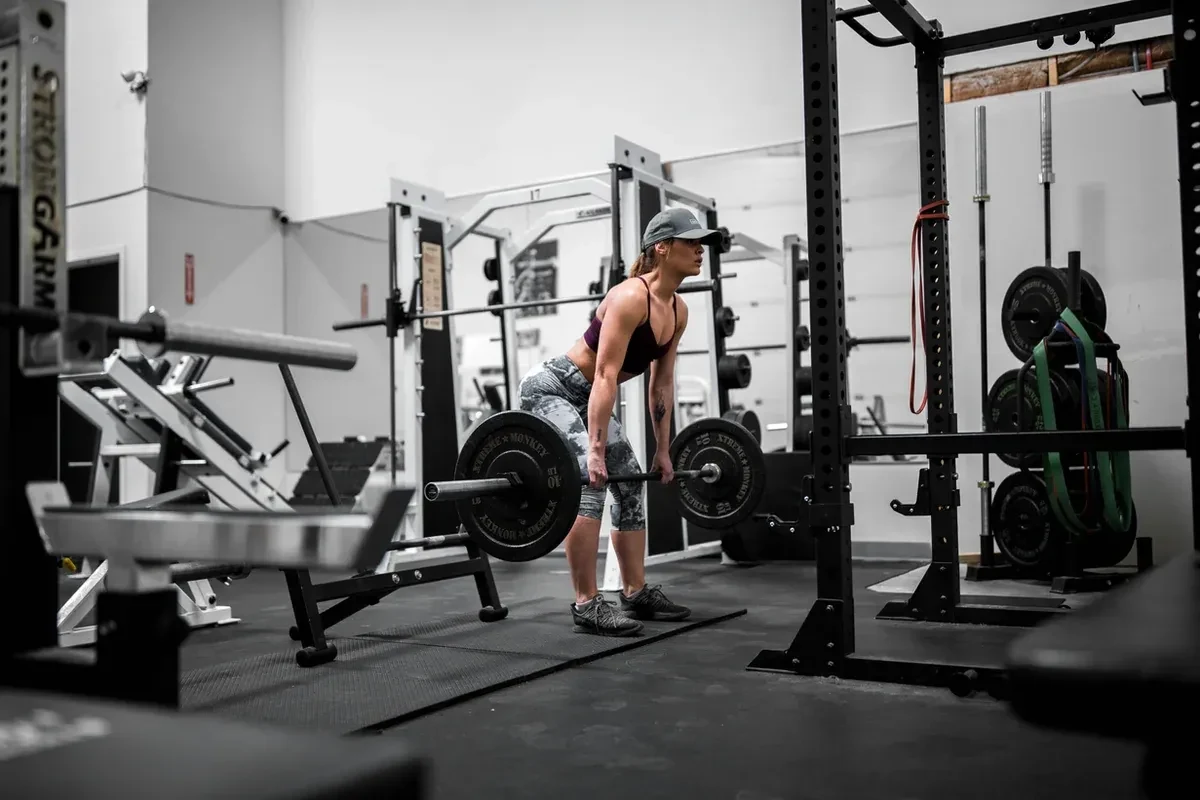
Maybe you specifically want to know if you should deadlift barefoot? Many athletes prefer it! Being closer to the ground reduces the distance the bar has to travel and provides a more stable, "grippy" base for your feet.
Tips for Incorporating Barefoot Training
If you're considering trying barefoot training and have weighed the pros and cons of barefoot training, then here are a few tips to help you get started.
- Start Gradually: Begin by incorporating short periods of barefoot training into your workouts. Gradually increase the duration and intensity as your feet adapt.
- Choose Appropriate Surfaces: Avoid rough or uneven surfaces that could increase the risk of injuries. Opt for soft, natural surfaces like grass or sand.
- Listen to Your Body: Pay attention to your body's signals. If you experience pain or discomfort, stop and rest.
- Consider Footwear Alternatives: If you're not ready to go completely barefoot, there are a variety of minimalist shoes available that provide minimal support while allowing your feet to move naturally.
In conclusion, the decision to work out barefoot or with shoes is a personal one. While barefoot training offers potential benefits, it also carries risks. It's important to weigh the pros and cons of barefoot training carefully and choose the approach that works best for you.
Editor's Note: This post has been updated for accuracy and current best practices.
More articles

11 Best Fall and Winter Sports for Kids and Youth

ECNL vs. ECNL-RL: Understanding the Differences and Choosing the Right Youth Soccer Pathway