The Importance of Hydration and Exercise
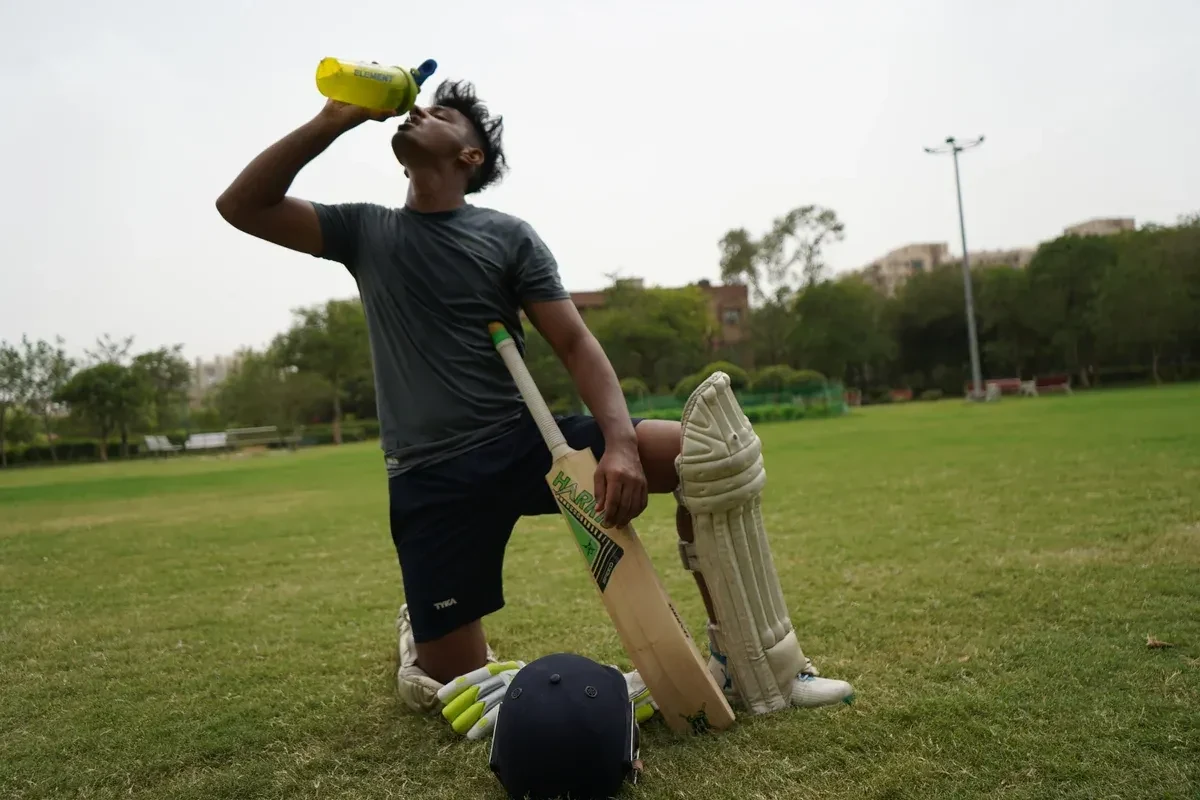
Hydration is often the most overlooked component of a fitness routine. You can have the perfect training plan and the best gear, but if your body is running low on fluids, your performance will hit a wall. In fact, losing just 2% of your body weight in water can lead to a significant drop in strength, focus, and endurance.
Understanding hydration isn't just about drinking when you're thirsty; it's about maintaining the delicate balance of fluids and electrolytes that keep your heart pumping and your muscles firing.
The Link Between Hydration and Exercise
Our bodies are composed primarily of water, and it plays a vital role in countless bodily functions. During exercise, we lose fluids through sweat, which can lead to dehydration if not replenished adequately. Dehydration can manifest in various ways, including fatigue, dizziness, headaches, and decreased performance.
Think about why hydration matters in exercise like this: During physical activity, your body loses fluids through sweat to regulate core temperature. Proper hydration maintains blood volume, allows for efficient heat dissipation, and ensures oxygen and nutrients are delivered to working muscles. Without adequate fluid intake, you face increased heart rate, rapid fatigue, and a higher risk of heat-related injuries.
“Hydration during a game, tournament or workout ― not just before and after ― can fall below the radar of an athlete and their trainer, but performance depends on it. Getting dehydrated puts you at risk of headaches, cramping and more serious complications like heat stroke or other heat disease.” Says Rayven Nairn, M.S., R.D., L.D., a dietitian with the Johns Hopkins University Student Health and Wellness Center.
How Does Proper Hydration Benefit Your Workout?
Let’s look at the hydration benefits during your workout, just in case you have more questions. For example, hydration during exercise regulates body temperature since sweat helps cool the body down, preventing overheating.
Hydration benefits during a workout also lubricate joints to ensure smooth joint movement, further helping you avoid injury. Naturally, it transports nutrients as water carries essential nutrients to your muscles, and it boosts energy levels. As we already mentioned, dehydration can lead to fatigue, hindering performance.
Finally, hydration benefits during a workout support cognitive function. Staying hydrated helps you focus and make better decisions during exercise. But you might be asking can you drink too much water during a workout? Yes. A condition called hyponatremia occurs when you drink excessive amounts of plain water, diluting the sodium in your blood. This is why electrolytes are crucial for long-duration endurance events.
What to Drink During Your Workout
The ideal beverage choice depends on the intensity and duration of your workout. Here we look at three primary hydration drinks to consume during your workout.
1. Water
The cornerstone of hydration, water is sufficient for most workouts lasting less than an hour. It effectively replenishes fluids lost through sweat and helps maintain overall hydration.
Water is an affordable, readily available hydration option.
“It's important to not just drink a cup of water right before activity and think that you’re adequately hydrated and will perform well during a workout,” says Roxana Ehsani, MS, RD, CSSD, a Miami-based board-certified sports dietitian. “A lot of people, including elite athletes, are chronically dehydrated. It’s essential to focus on staying hydrated throughout the day to perform at your best during workout time.”
Hydrate before, during, and after your workout. Aim to drink 16-24 ounces of water about two hours before exercise, 8 ounces about 20-30 minutes before, and regularly during your workout.
2. Sports Drinks
For workouts that exceed an hour or those performed in hot and humid conditions, sports drinks can be beneficial. Especially if you’re doing a high-intensity workout as well. Sports drinks contain electrolytes, essential minerals lost through sweat, which help regulate fluid balance and muscle function. Look for sports drinks with moderate sugar content to avoid a spike in blood sugar.
Electrolytes are a huge benefit! While water is the foundation, high-intensity exercise requires more. When you sweat, you aren't just losing water; you’re losing electrolytes, specifically sodium, potassium, and magnesium.
- Sodium: Maintains fluid balance and prevents "water intoxication" (hyponatremia).
- Potassium: Essential for muscle contractions and preventing cramps.
-
Magnesium: Supports energy production and nerve function.
Pro Tip: If your workout lasts longer than 60 minutes or takes place in high heat, plain water might not be enough. Switch to an electrolyte-enriched drink to ensure your cells can actually absorb the fluid you're drinking.
3. Coconut Water
A natural alternative to sports drinks, coconut water contains electrolytes like potassium and sodium. It can be a refreshing option, but it's important to check the sugar content.
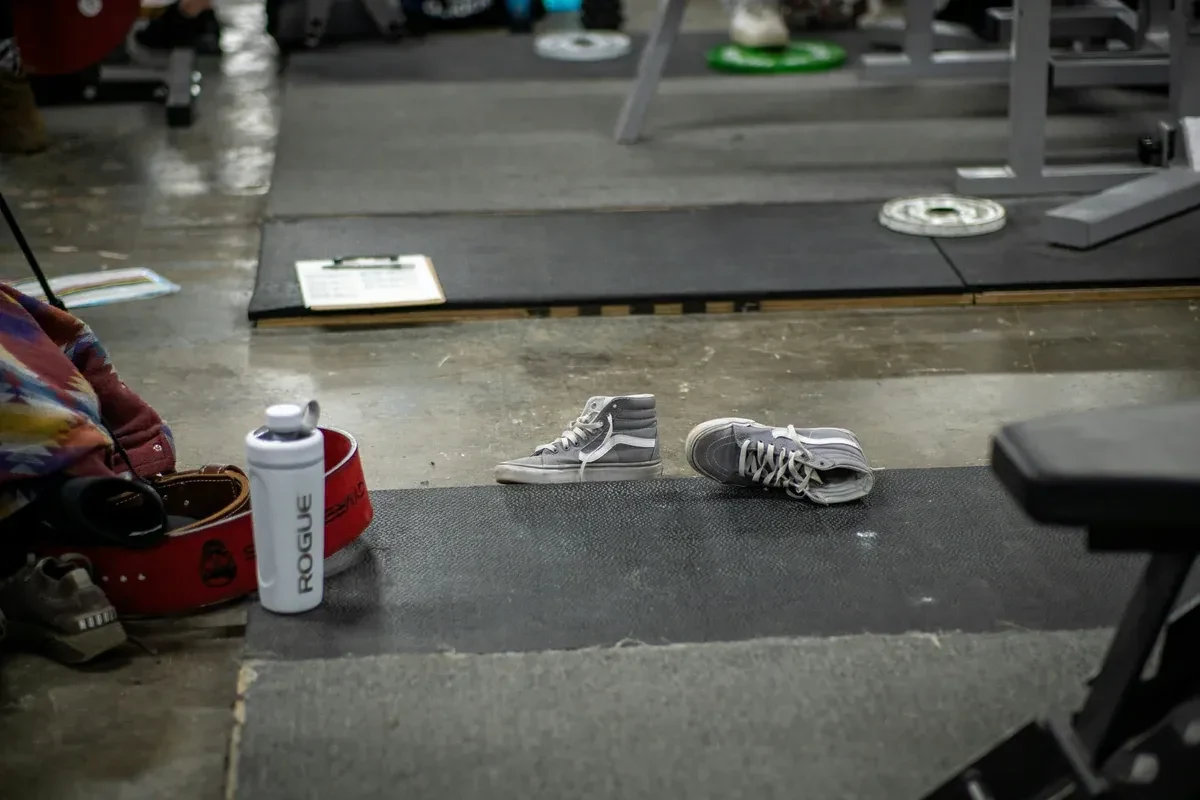
Striking the Balance With Hydration and Exercise
If you're all set on the different options, you might be asking why do I get a headache after working out? Post-workout headaches are a classic sign of dehydration. As your body loses fluid, your brain can temporarily contract from fluid loss, pulling away from the skull and causing pain.
How much should you drink? Hydration is personal. Factors like your "sweat rate," the humidity, and the intensity of your workout all play a role. Use this "Before, During, and After" framework:
- Pre-Workout: Drink 16–20 ounces of water 2–3 hours before your session.
- During Workout: Aim for 7–10 ounces every 10–20 minutes. Don't wait until you're thirsty; by then, you're already slightly dehydrated.
- Post-Workout: For every pound of body weight lost during exercise, drink 16–24 ounces of fluid to fully recover.
By prioritizing hydration, you'll enhance your workout performance, reduce the risk of injuries, and feel better overall. Remember, everyone's hydration needs are different, so find what works best for you and make it a consistent part of your fitness routine.
Editor's Note: This post has been updated for accuracy and current best practices.
More articles

11 Best Fall and Winter Sports for Kids and Youth

ECNL vs. ECNL-RL: Understanding the Differences and Choosing the Right Youth Soccer Pathway