What is Karate? A Guide
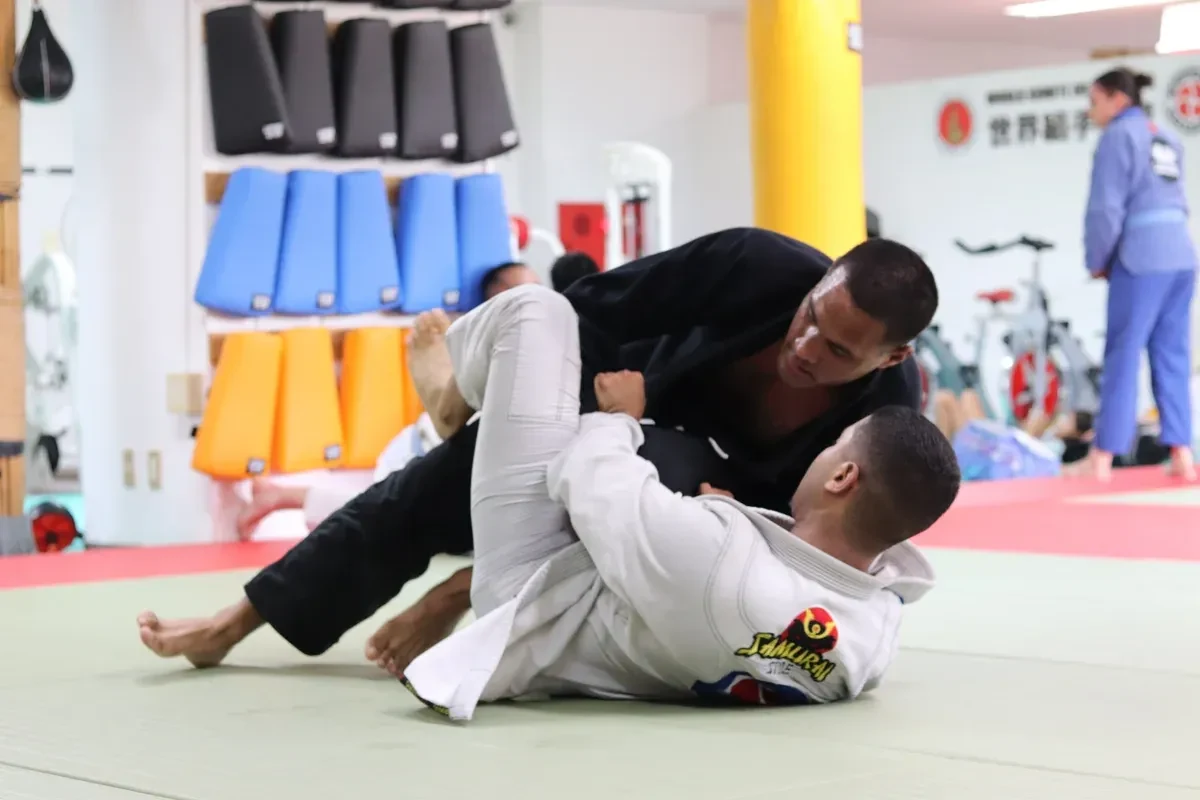
Originating from the Ryukyu Islands (modern-day Okinawa), Karate is more than just "kicking and punching." The word itself, Kara (Empty) Te (Hand), reflects its philosophy: a system of self-defense that relies on the body’s natural weapons rather than external tools.
Today, Karate is practiced by millions as a competitive sport, a practical self-defense system, and a method of profound personal development. Whether you're looking for discipline for your child or a high-intensity workout for yourself, Karate offers a path for every age and ability.
What is Karate?
Karate is a Japanese martial art characterized by its focus on striking techniques, including punching, kicking, knee strikes, and open-hand techniques. Modern Karate is built on three pillars: Kihon (basics), Kata (forms), and Kumite (sparring). It emphasizes the development of character, self-discipline, and respect alongside physical mastery.
Karate's roots can be traced back to the Ryukyu Kingdom, where it evolved from indigenous martial arts and Chinese martial arts influences. Over centuries, it developed into a unique system that focused on empty-hand combat.
What are the Core Principles of Karate?
Karate is more than just physical combat (and differs from boxing in many ways). It is a way of life that encompasses several core principles.
- Do. Or also known as ‘The Way or Path’. It represents the journey of self-improvement and spiritual growth.
- Rei. Rei is the ‘Etiquette and Respect’. Those who practice karate are expected to show respect to their teachers, fellow practitioners, and opponents.
- Shin. Shin is also known as ‘Sincerity’. This principle emphasizes the importance of honesty, integrity, and dedication.
- Ki. Ki is better known as ‘Energy or Spirit’. Those who practice karate train to harness and channel their inner energy.
- Tai. This core principle of karate means ‘body’. Physical training is essential in karate to develop strength, speed, and flexibility.
For the more visual learner, here's a table breaking down even more karate styles beyond what is included above.
| Style Name | Key Characteristics | Best For... |
|---|---|---|
| Shotokan | Long, deep stances; powerful linear strikes | Beginners & Traditionalists |
| Goju-Ryu | "Hard-Soft" style; circular movements & breathing | Close-range defense & Breathwork |
| Wado-Ryu | Focus on evasion and body-shifting (Taisabaki) | Efficiency & Fluidity |
| Kyokushin | "The Ultimate Truth"; full-contact, heavy conditioning | Hardcore fitness & Resilience |
| Shito-Ryu | High number of Katas; very fast and versatile | Technical enthusiasts |
All of these are core principles of karate, bringing us closer to understanding what karate is. But let’s dig even deeper and look at the key elements of karate.
What are the Key Elements of Karate?
Karate training typically involves a combination of key elements. For example, kihon (basic techniques) includes stances, punches, kicks, blocks, and strikes.
Kata is a form or pattern with prearranged sequences of movements that teach self-defense techniques, timing, balance, and focus. And finally, kumite (sparring or fighting) is a key element of karate. This involves controlled practice of attacking and defending techniques with a partner.
Benefits of Practicing Karate
Karate offers numerous physical, mental, and emotional benefits. Below we look at each benefit of karate.
1. Physical Fitness
Perhaps the most common benefit of karate is physical fitness. Karate is a full-body workout that improves strength, flexibility, agility, and cardiovascular health. Depending on the length of your training, you can increase your heart rate, which in turn can lead to weight loss.
2. Self-Defense
Karate and self-defense are synonymous with one another. Whether that’s true or not is up to you. But karate does provide practical self-defense skills that can help you protect yourself in dangerous or uncomfortable situations.
3. Mental Discipline
Karate training fosters focus, concentration, and mental clarity. When you are training, you must remain focused and present in the moment. Instead of allowing your mind to wander, you must ground yourself. Karate teaches important life skills, such as discipline, perseverance, and respect. As you remain disciplined, these benefits naturally become part of your training. Especially post-training.
In fact, the mental health and cognitive benefits of karate can be distilled even further:
- Executive Function: Research shows that the complex movements of Karate improve focus and memory in both children and seniors.
- The "Zero-Stress" Zone: Entering the dojo requires a "bow," a symbolic act of leaving your daily worries at the door.
- Functional Strength: Karate builds "explosive" power and core stability that translates to better balance and posture in daily life.
4. Stress Relief
We mentioned it above, but regular karate practice can help reduce stress and anxiety as you release “feel-good” hormones, which can lift your mood. Moreover, as you progress in your training, you will develop self-confidence and self-esteem, all of which can also relieve stress.
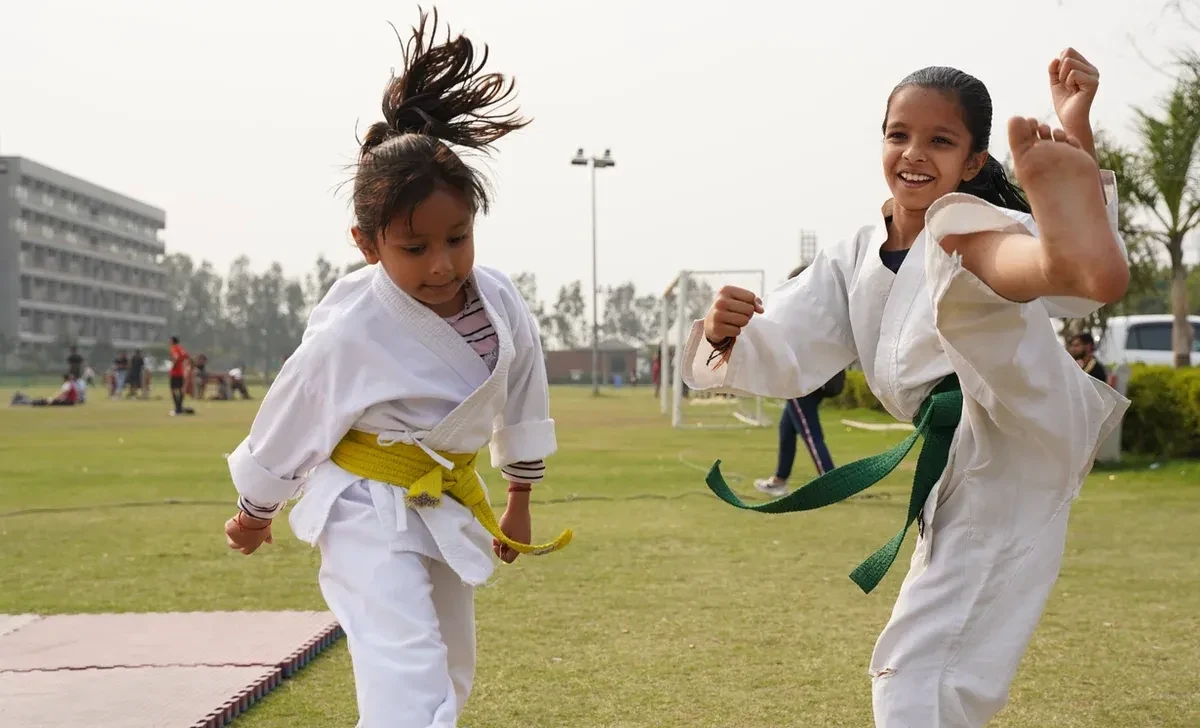
How to Choose a Karate Dojo
When selecting a karate dojo, consider looking for a dojo with experienced and certified instructors. Plus, a friendly and supportive training environment is essential.
See if the karate dojo has a diverse curriculum. A well-rounded curriculum should include kihon, kata, and kumite. Yes, you should also choose a dojo that fits your budget. Finally, consider your personal goals and select a dojo that aligns with your aspirations.
Not all Karate schools are created equal. Use this checklist before signing a contract:
- Lineage: Can the instructor trace their training back to a recognized organization?
- Atmosphere: Is the dojo clean? Do the students show genuine respect to one another?
- Sparring Safety: Are beginners protected? Is there an emphasis on control over ego?
- The "Hard Sell": Be wary of schools that "guarantee" a Black Belt in a set timeframe (e.g., "Black Belt in 12 months"). Mastery takes time.
The Bottom Line on What is Karate
At this stage, you can stop asking yourself what is karate and instead, you can start to consider how karate is a rewarding martial art that offers a holistic approach to physical and mental development. Whether you're seeking self-defense skills, improved fitness, or personal growth, karate can provide you with the tools and guidance to achieve your goals.
Editor's Note: This post has been updated for accuracy and current best practices.
More articles

11 Best Fall and Winter Sports for Kids and Youth

ECNL vs. ECNL-RL: Understanding the Differences and Choosing the Right Youth Soccer Pathway